
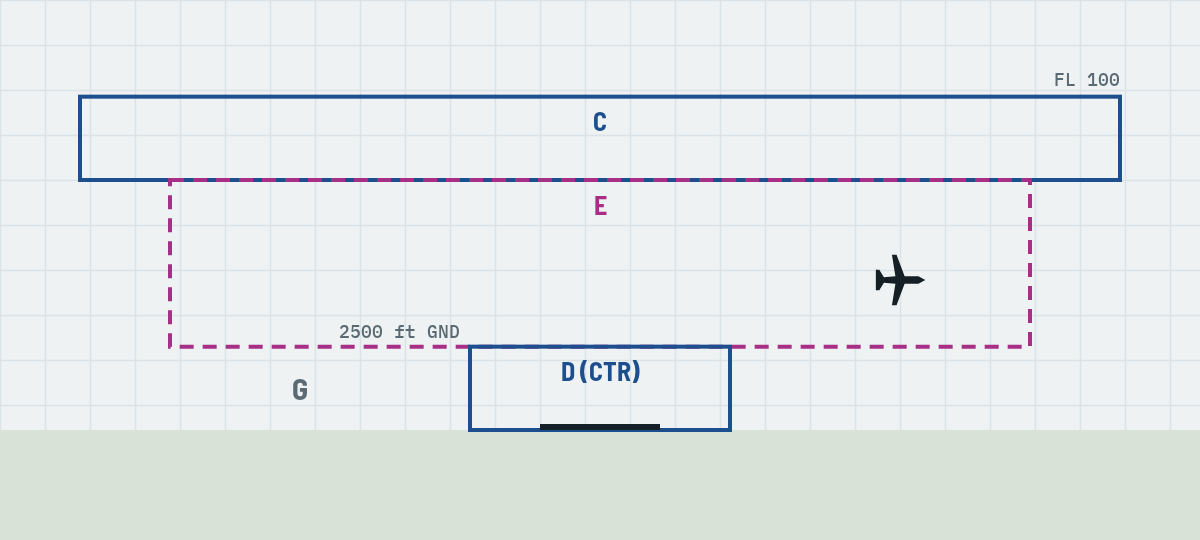
Internationale und europäische Rechtsgrundlagen, Luftverkehrsregeln, Luftraum und Flugverkehrsdienste, Flugplätze, Suche und Rettung sowie nationales Recht.
Theorieausbildung PPL(A) · LAPL(A)
Hier lernst du die Theorie für deine Privatpilotenlizenz: alle neun Prüfungsfächer, aufgebaut nach dem EASA-Syllabus. Jedes Fach führt dich Abschnitt für Abschnitt durch die Lernziele – mit Lektionen, interaktiven Simulationen und Übungstests.
Internationale und europäische Rechtsgrundlagen, Luftverkehrsregeln, Luftraum und Flugverkehrsdienste, Flugplätze, Suche und Rettung sowie nationales Recht.
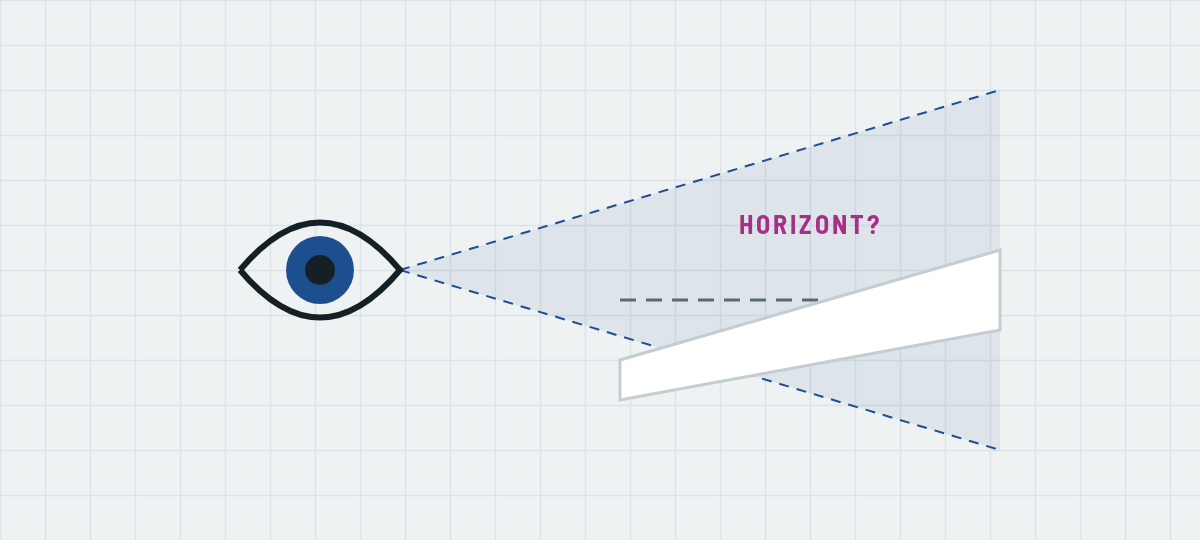
Physiologie des Fliegens, Sinneswahrnehmung und Täuschungen, Gesundheit, Informationsverarbeitung, Fehler und Entscheidungen, Stress und Ermüdung.
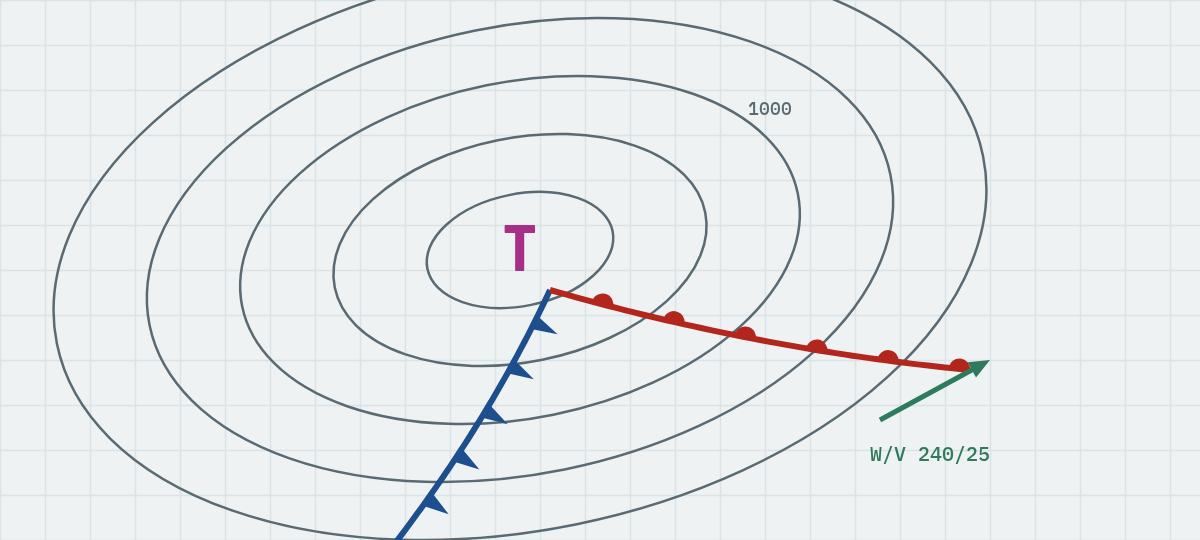
Atmosphäre und Höhenmessung, Wind, Wolken und Nebel, Luftmassen und Fronten, Wettergefahren sowie Wetterinformationen für die Flugplanung.
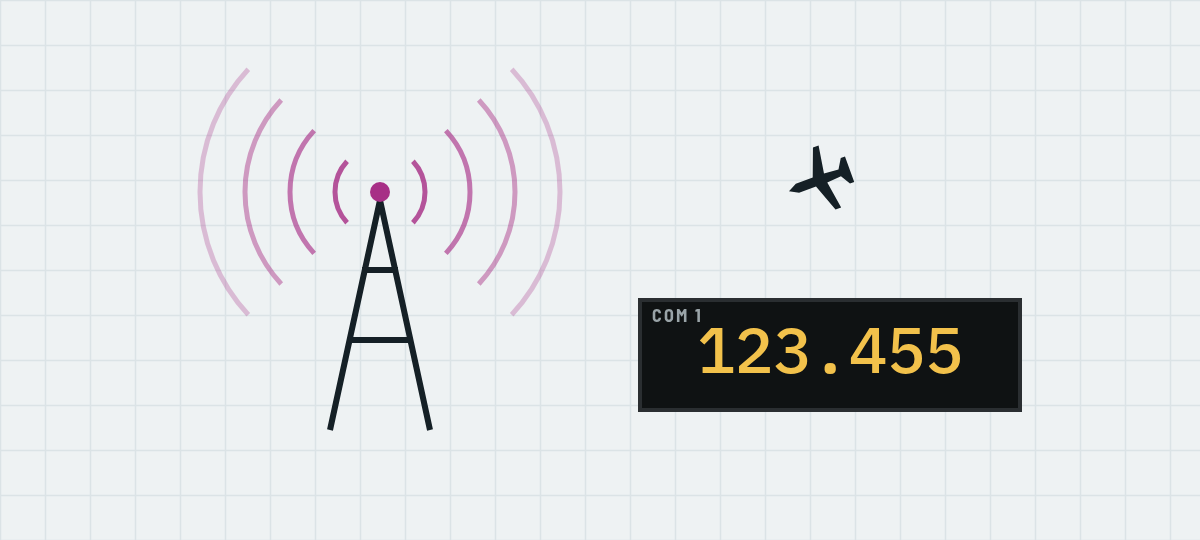
Sprechfunk nach Sichtflugregeln: Begriffe, Verfahren, Rücklesepflicht, Wetterinformationen, Funkausfall sowie Not- und Dringlichkeitsverfahren.
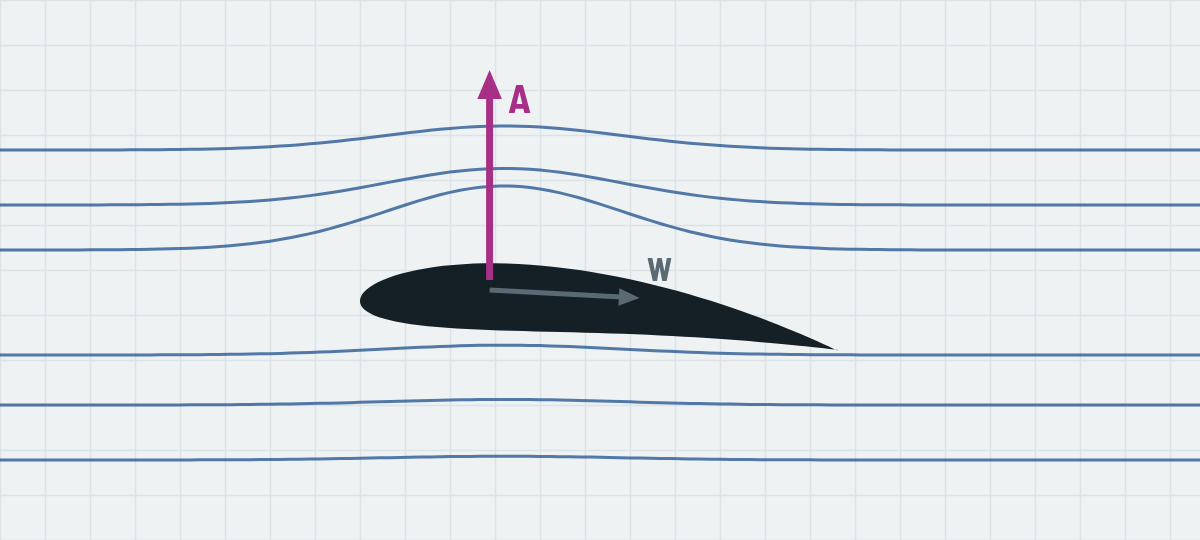
Aerodynamik des Flugzeugs: Auftrieb und Widerstand, Strömungsabriss, Stabilität, Steuerung, Betriebsgrenzen, Propeller und Flugmechanik.
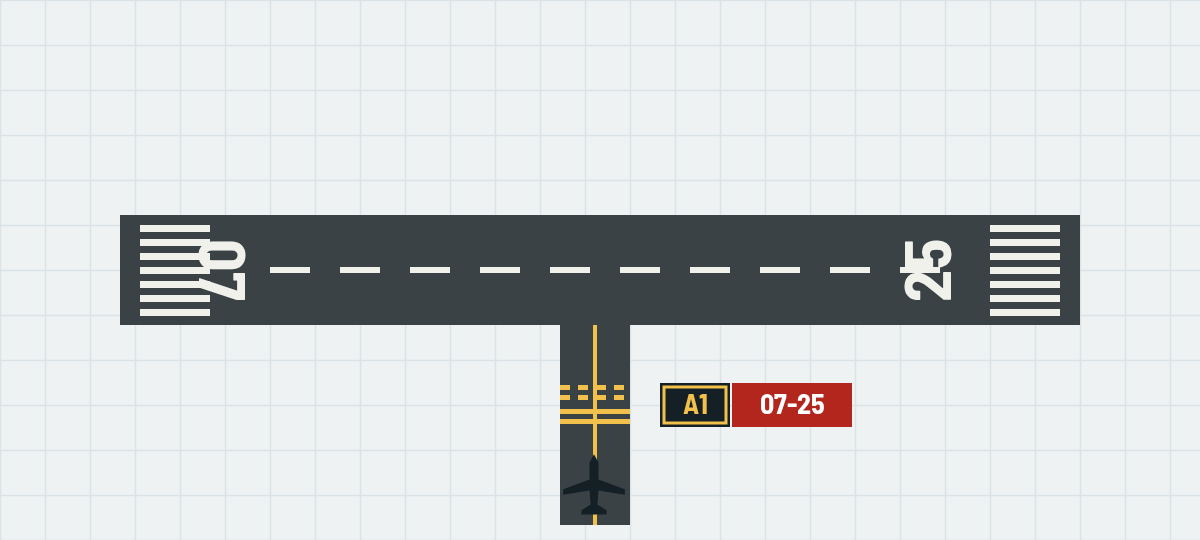
Allgemeine Betriebsverfahren, Lärmschutz, Feuer und Rauch, Windscherung, Wirbelschleppen, Not- und Sicherheitslandungen sowie kontaminierte Pisten.
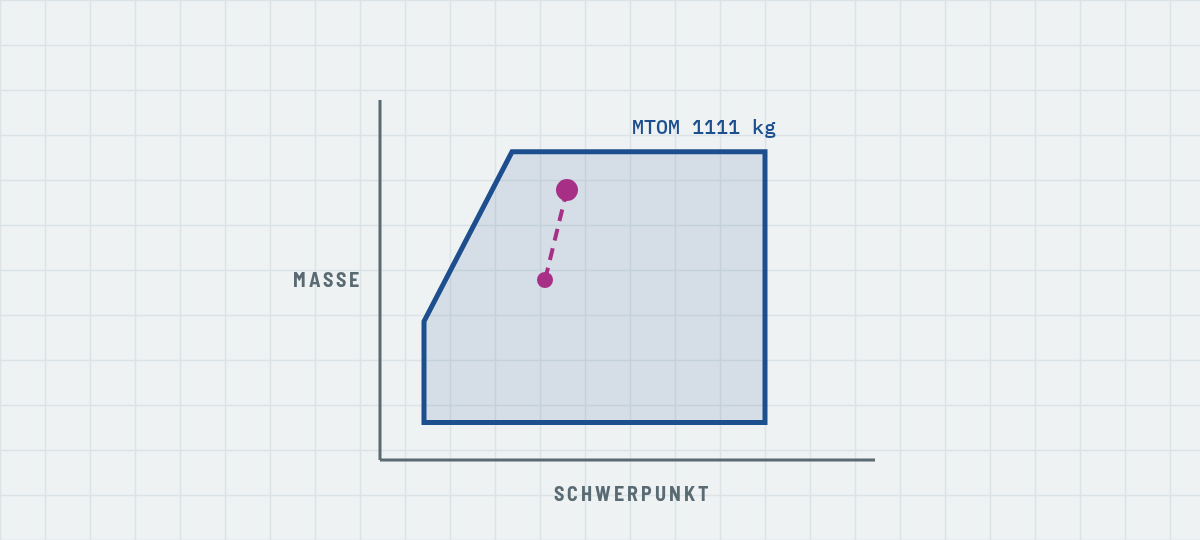
Masse und Schwerpunkt, Flugleistung, VFR-Flugplanung, Kraftstoffplanung, Flugvorbereitung, Flugplan und Flugdurchführung.
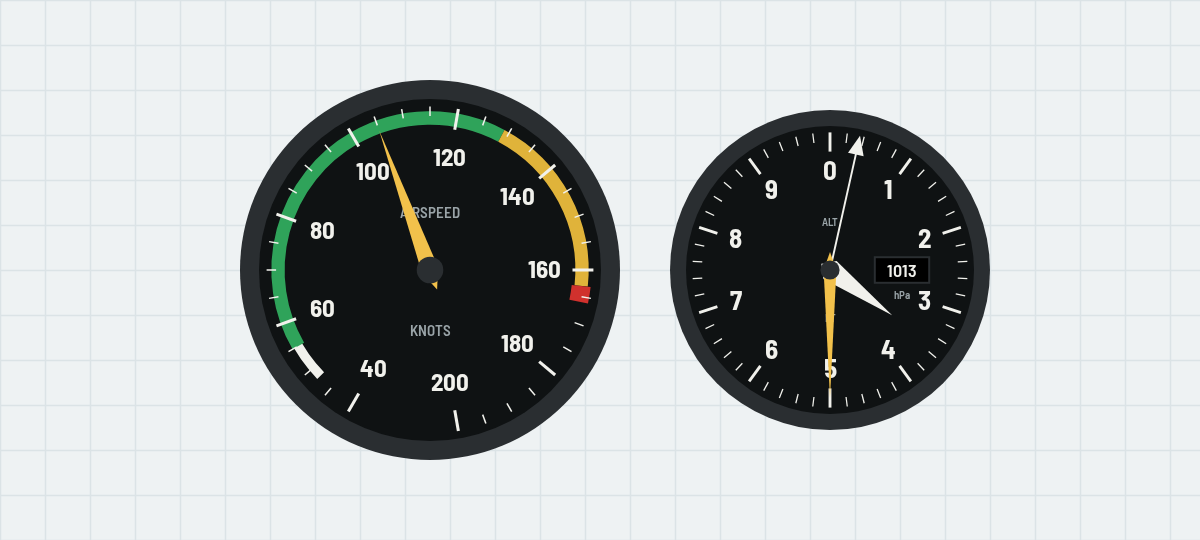
Zelle und Systeme, Elektrik, Kolbentriebwerk und Propeller sowie Instrumente und Warnsysteme.
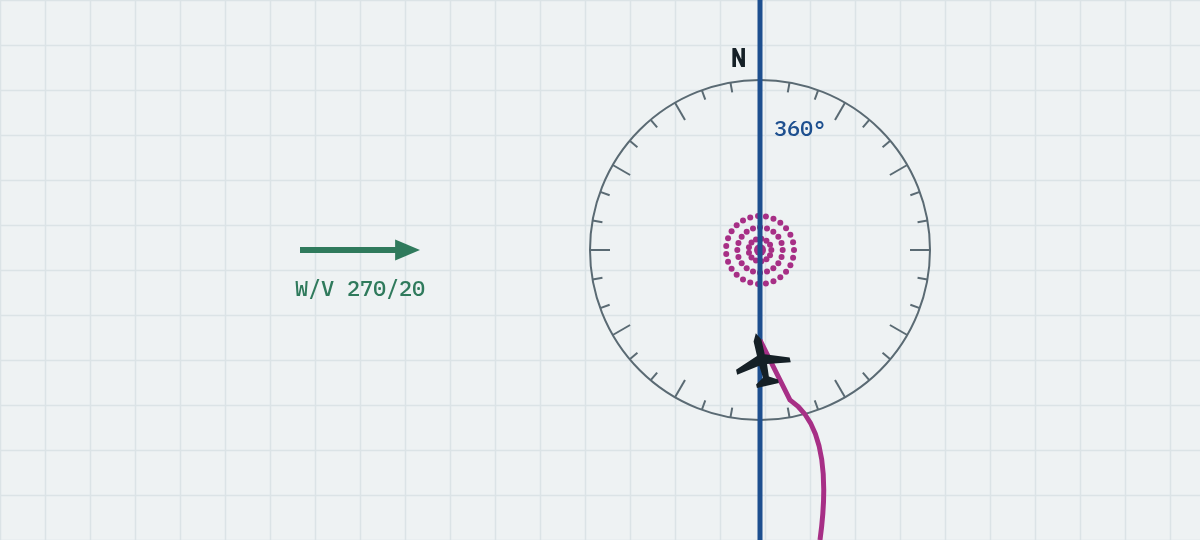
Koordinaten und Karten, Kurse und Missweisung, Koppelnavigation und Winddreieck, Navigation im Flug sowie Funknavigation mit NDB, VOR, DME, Radar und GNSS.
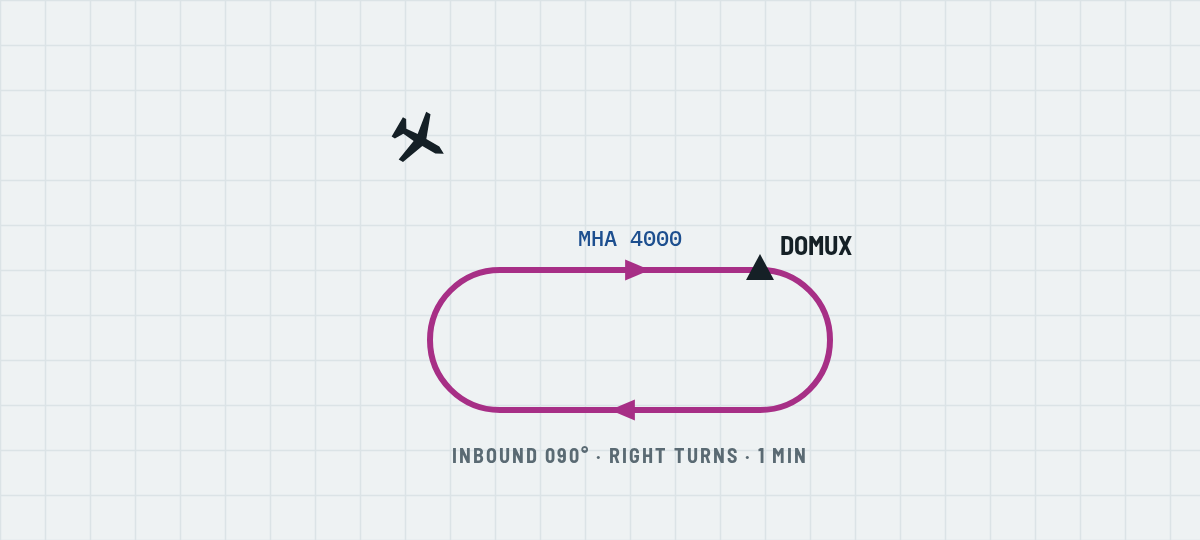
All CB-IR(A) learning objectives of subject 010: Part-FCL licensing, rules of the air (SERA), airspace and ATC procedures, separation, altimeter setting and transponder, instrument departures, holding and approach procedures (PANS-OPS), operating minima, aeronautical information (AIP, NOTAM, AIRAC) and aerodromes (ICAO Annex 14).
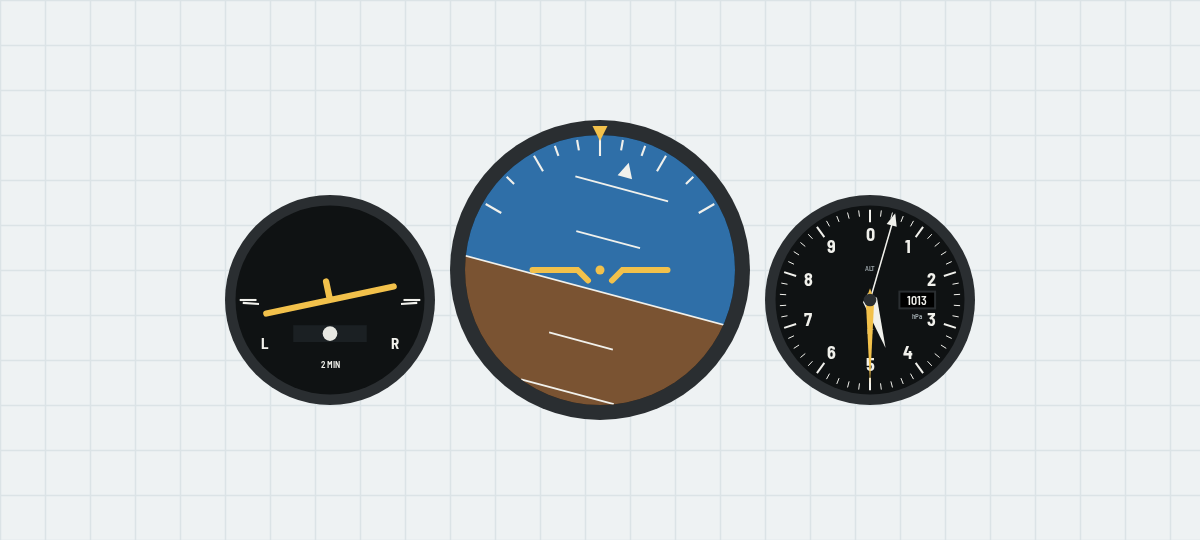
All CB-IR(A) learning objectives of subject 022: pressure instruments and air data, gyroscopic instruments, compasses and AHRS, electronic flight displays, FMS and navigation database, airborne computers – plus instrument failures and the autopilot.
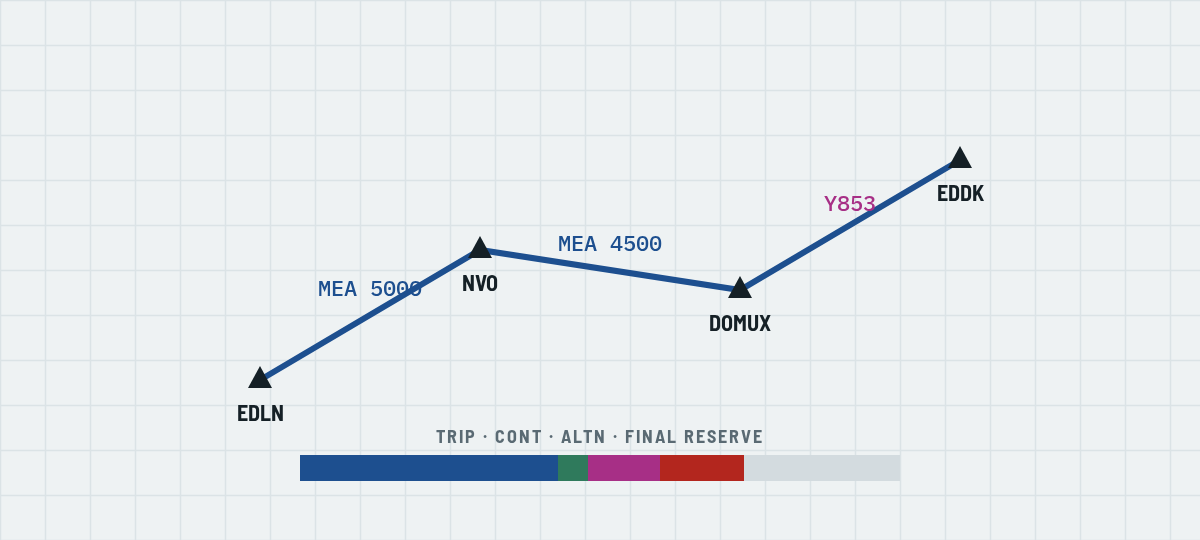
IFR charts and minimum altitudes, fuel planning under Part-NCO, destination alternates and weather planning, the ATS flight plan for IFR flights and in-flight monitoring.
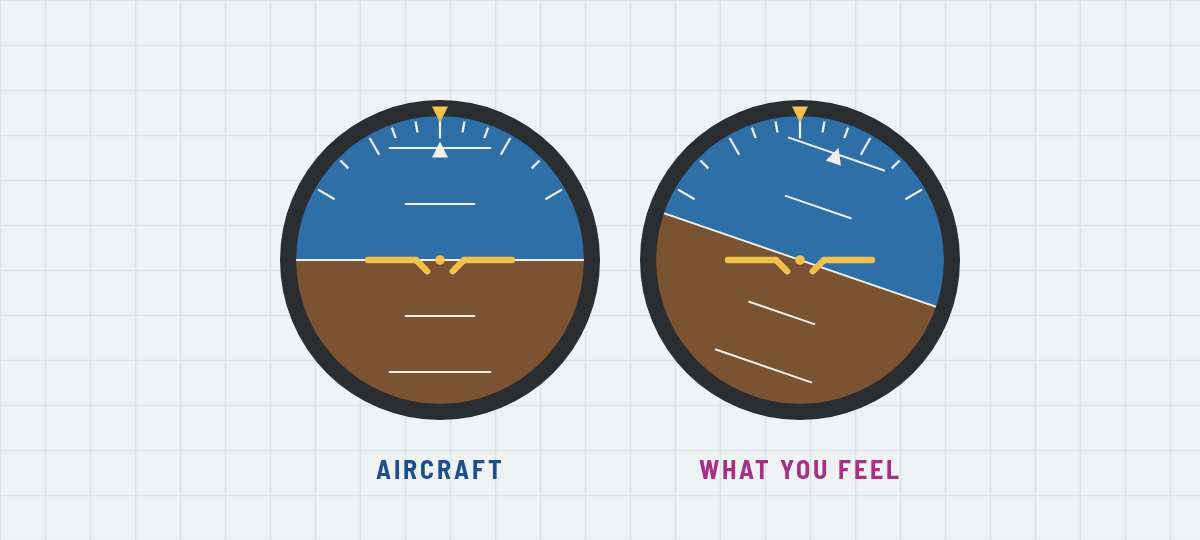
Spatial disorientation in instrument meteorological conditions, instrument scan and attention, workload and decision making in single-pilot IFR operations.
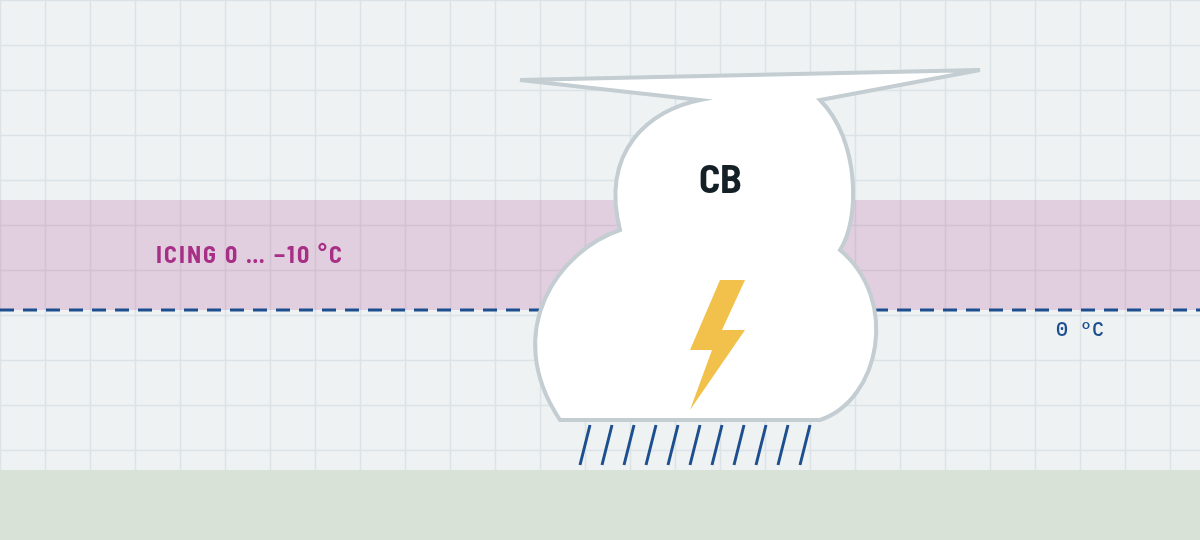
All CB-IR(A) learning objectives of subject 050: the atmosphere and altimetry, wind and turbulence, humidity, stability, clouds and precipitation, air masses, fronts and pressure systems, airframe icing, thunderstorms, low visibility and meteorological information.
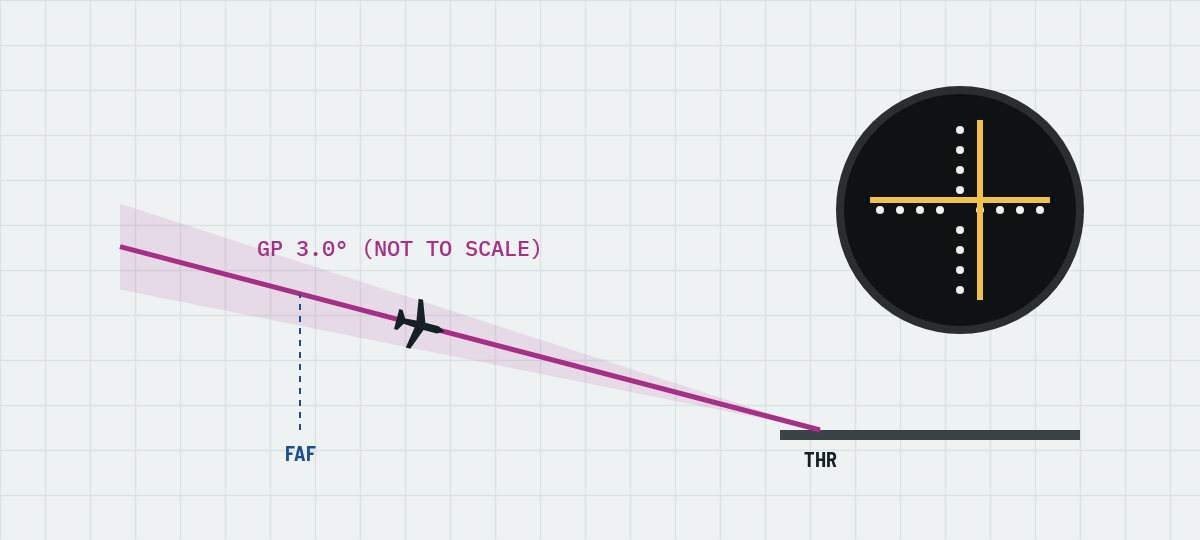
All CB-IR(A) learning objectives of subject 062: VOR, DME, ILS, NDB/ADF, PBN with RNP approaches and augmentation, radar, transponder, airborne weather radar and GNSS basics.
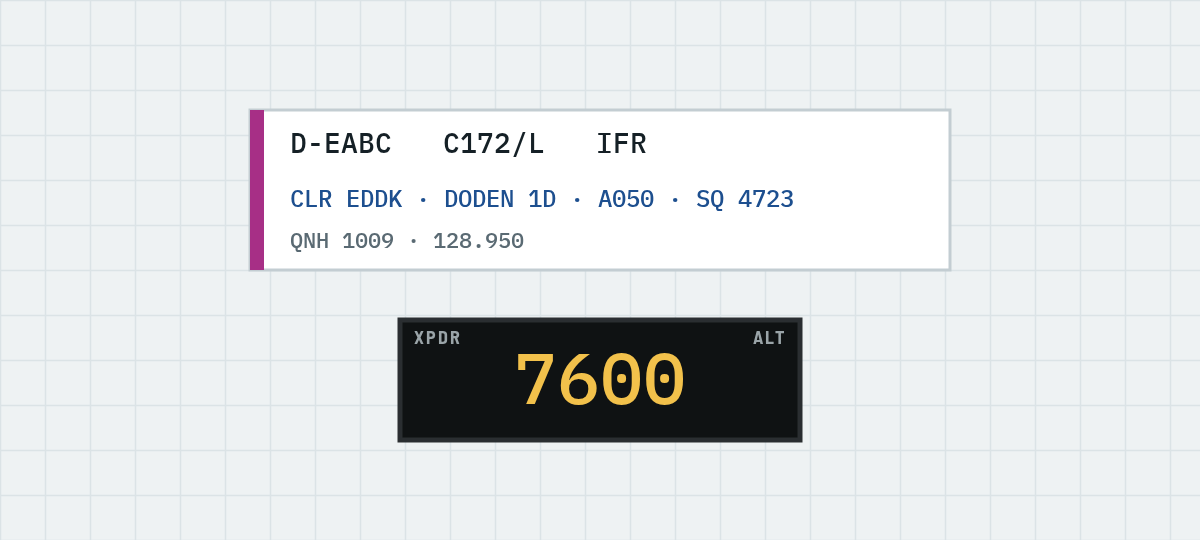
All CB-IR(A) learning objectives of subject 090: radiotelephony basics, IFR clearances and read-back, CPDLC, phraseology of all flight phases, radar and TCAS phraseology, radio communication failure, distress and urgency, aerodrome weather reports and broadcasts.